A Super El Niño Is Coming. Puerto Rico Is Already Struggling.
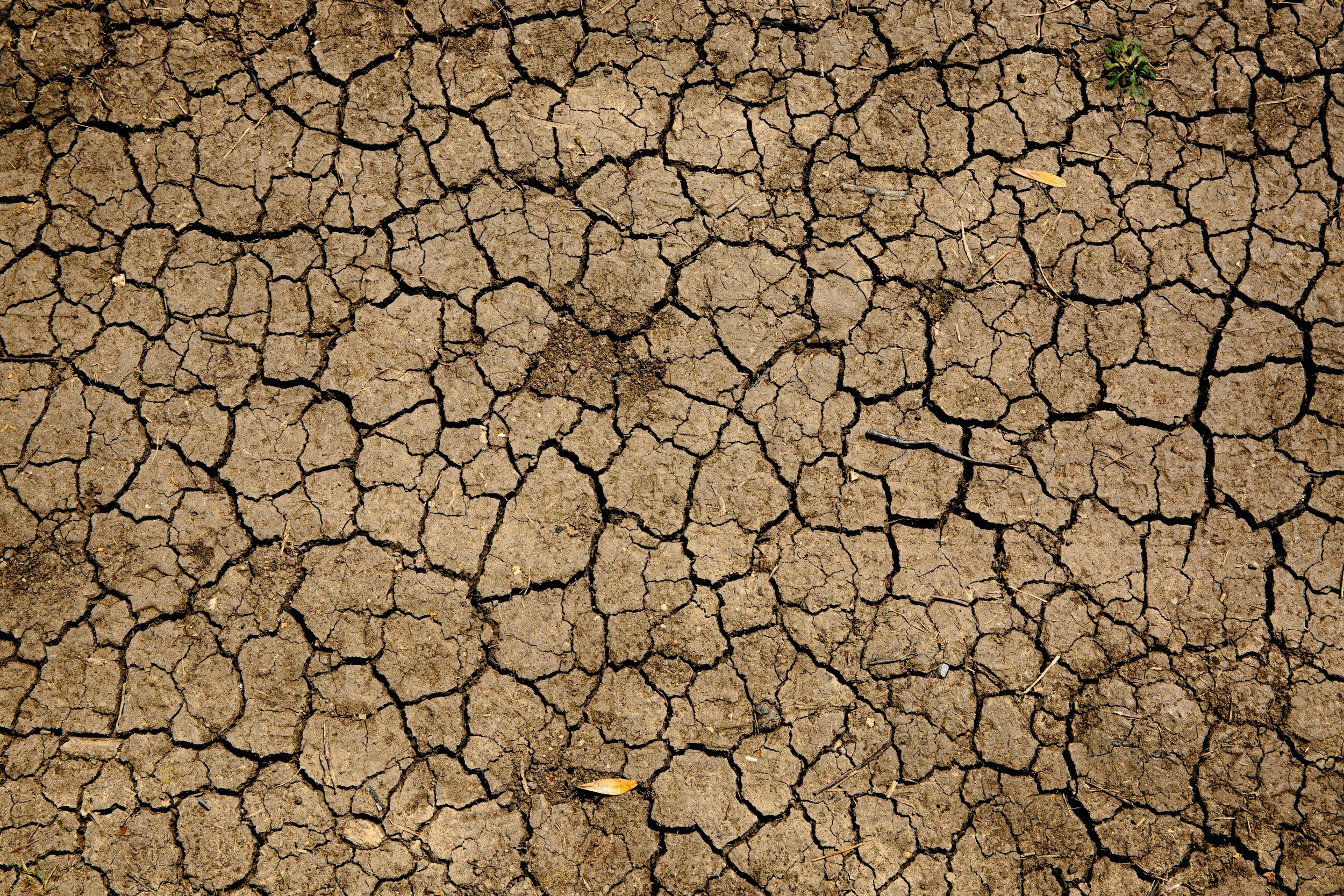
Puerto Rico has been fighting a water crisis long before most people started paying attention. Water shutoffs. Contaminated pipes. Entire communities that go days without running water. This isn’t a new problem — it’s a decades-long failure of infrastructure, government accountability, and investment in the people who need it most.
Now, scientists are warning that something much bigger is on its way. And it’s going to make everything worse.
What NOAA Just Confirmed
On June 12, 2026, the National Oceanic and Atmospheric Administration officially declared that El Niño has arrived — and it’s building strength fast. Their forecasters are now giving a 63% chance that this event escalates into what meteorologists call a “Super El Niño” — ocean temperatures rising more than 2°C above average, a threshold that triggers outsized, cascading impacts around the world.
The peak window? November 2026 through January 2027. That’s not far away.
The World Meteorological Organization puts it plainly: this event will “exacerbate drought and heavy rainfall and increase the risk of heatwaves both on land and in the ocean.” The UN Secretary-General called it an “urgent climate warning” and said the only effective response is action equal to the crisis.
What It Means for Puerto Rico
El Niño doesn’t hit every place the same way. For the Caribbean — and Puerto Rico specifically — the historical pattern is clear: drier conditions, reduced rainfall, and increased drought stress.
That’s a direct hit to an island that already runs on the edge. Puerto Rico’s water utility, the AAA (Puerto Rico Aqueduct and Sewer Authority), has never fully recovered from Hurricane Maria. Reservoirs like La Plata and Carraízo are the backbone of the system — and they depend on consistent rainfall. When that rainfall drops, so does the water pressure in your pipes. Or it stops entirely.
Here’s the cruel irony that scientists are warning about: even when El Niño brings intense rainfall bursts, that water often runs off before it can be absorbed into soils and groundwater. So communities might see downpours followed immediately by extended dry periods — with none of that rain translating into usable water in the system.
Researchers at the World Resources Institute put it directly: “More precipitation does not always mean more usable or stored water.” When rain falls in intense bursts, more of it evaporates or runs off the surface before replenishing anything.
When it rains, it floods. When it doesn’t rain, there’s a drought. That’s the reality Puerto Rican communities are already living — and a Super El Niño is about to turn up the volume on both.
The System Was Already Failing
We want to be clear about something: the water crisis in Puerto Rico isn’t caused by El Niño. It was here long before any climate advisory was issued. Decades of infrastructure neglect, colonial disinvestment, and government failure have left hundreds of thousands of people without reliable access to clean water.
We know this not from reports or statistics — we know it because we live here. On the southeast side of the island, we experienced it firsthand. Weeks without water. Not inconvenience — survival-level stress. That lived reality is what built EXC International’s ideas on how to turn this around and help our community, and it’s what drives us every day.
El Niño doesn’t create the problem. It exposes it. It accelerates it. It removes the margin of error that was already razor-thin.
What We’re Doing About It
EXC International is a federally recognized 501(c)(3) nonprofit legally authorized and registered to operate in Puerto Rico. We’re trying to raise funds for a water independence program that installs rainwater catchment systems and point-of-use filtration directly in the homes of families who need it most.
Each system includes a 300–500 gallon storage tank and a 4-stage filtration unit with UV sterilization — giving families clean, stored water that doesn’t depend on AAA, FEMA, or any institution that has already failed them. At approximately $2,000–$5,000 per household installation, it’s one of the most cost-effective interventions in disaster preparedness that exists.
Rainwater harvesting is the solution that works whether the problem is drought or downpour. Capture it when it comes. Filter it. Store it. Use it when the pipes go dry.
We’re not waiting for the government to fix the water system. We’re wanting to build independence, one household at a time — because that’s what the communities here actually need.
Why Right Now Matters
Super El Niño events are rare. There have only been five since 1950. This one is arriving on top of decades of global warming — which means the impacts are expected to be sharper, more persistent, and more geographically widespread than past events.
This is the moment to act. Not after. Now.
Help Us Get There Before the Drought Does
Every dollar goes directly towards this missions and others for families who can’t afford to wait.
Donate at excinternational.org/donate
EXC International Corporation · EIN 92-3953750 · 501(c)(3) Federally Recognized Nonprofit · Patillas, Puerto Rico. Donations are tax-deductible to the extent permitted by law. No goods or services were provided in exchange for your contribution.