Puerto Rico Water Shortage 2026: What's Happening and How You Can Help
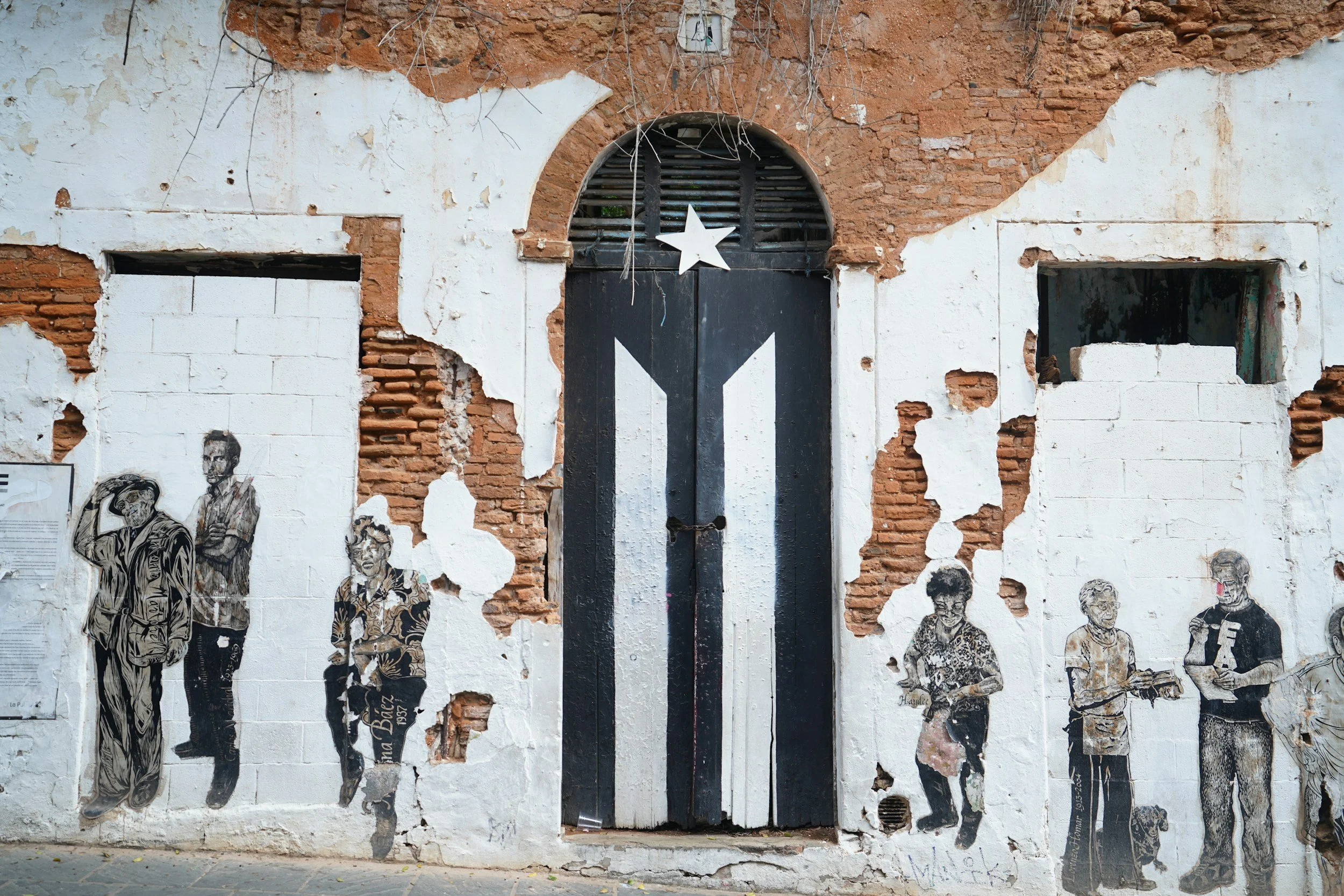
Puerto Rico is in a water crisis — again. In June 2026, the governor activated the National Guard to distribute drinking water across the island. Tens of thousands of families went without running water for days, sometimes weeks. Residents hauled five-gallon jugs up apartment stairwells in summer heat. Elderly and disabled neighbors were hospitalized. The San Juan mayor sued the island's water authority.
And none of this was a surprise.
The Numbers Tell the Story
Approximately 59% of all treated water in Puerto Rico is lost before it ever reaches a resident — leaked, stolen through inaccurate meters, or simply swallowed by crumbling pipes. That's not a drought problem. That's a decades-long failure to maintain critical infrastructure.
Puerto Rico's water supply is managed by PRASA, which serves roughly 3.2 million residents through reservoirs, rivers, treatment plants, pipelines, and aquifers. Much of that infrastructure is aging and still recovering from Hurricane Maria.
More than 50% of Puerto Rico's drinking water supply has been lost in the last 19 years due to leaks, breaks, and spills. Politicians have compared it to a business losing half its inventory every single year and calling it normal.
What Triggered the 2026 Emergency
The rupture of the 72-inch Superaquaduct line in Bayamón — breaking at three separate points — triggered the island's most recent water crisis. PRASA confirmed that concrete reinforcement was applied overnight to stabilize the repair, allowing the system to reopen slowly to avoid further damage.
But a burst pipe didn't cause this crisis. It exposed one that's been building for decades.
Thousands of residents in San Juan's eastern corridor had already endured nearly a year of intermittent service following the August 2025 failure of two pumps at the Finca Rosso I station. The pumps were damaged by electrical fluctuations — and though PRASA declared the project an emergency, funding wasn't approved until November 2025, delaying repairs into mid-2026.
That's the real story. The grid fails, the pipes fail, the bureaucracy delays, and the people pay for it.
Residents were forced to buy potable water, spend money at laundromats, and haul heavy buckets up several flights of stairs just to wash dishes, flush toilets, and take showers. Community leaders noted that some elderly and disabled residents were hospitalized as the shortages persisted.
It's Not Just Drought
Some officials want to blame the weather. Don't let them.
As of early June, only a relatively small portion of Puerto Rico was classified as being under moderate drought conditions, suggesting that infrastructure failures and distribution problems are playing a larger role than island-wide water scarcity. Puerto Rico is not running out of water entirely — the challenge is getting water where it needs to go through a system that has been neglected for years.
El Niño is a real compounding factor — reduced rainfall and extreme heat stress an already broken system. But you can't blame a weather pattern for pipes that were ignored for 30 years.
Politicians have pointed to administrative incompetence and the absence of climate crisis awareness across both major political parties as root causes — not drought alone.
The Campo Gets It Worse
News coverage focuses on San Juan because that's where cameras go. But rural Puerto Rico — the campo — has been living this reality for far longer and with far less media attention. Communities far from the metropolitan grid rely on cisterns, hauled water, and informal systems that collapse without backup. When the grid fails and the trucks don't come, they're on their own.
That's where EXC International operates. Not in press conferences. In Patillas.
What's Actually Being Done — And What Isn't
The government deployed National Guard trucks and repurposed milk tankers for water distribution. San Juan alone had 55 tanker trucks responding to over 3,000 water-emergency cases between June 1 and 13. That's emergency triage, not a solution.
Residents were also being billed for water they weren't receiving. The system is broken in every direction.
PRASA has announced an "aggressive agenda" of inspections and maintenance. They've said versions of this before.
Meanwhile, a proposed house bill could weaken protections on Puerto Rico's karst region — a network of underground water sources covering 27.5% of the island — threatening the water supply of 400,000 people if passed.
The political class is still playing games with the water table.
The Only Real Fix Is Decentralization
Waiting for PRASA to fix itself is not a water strategy. Neither is waiting for the next National Guard deployment.
Communities that aren't dependent on a centralized, aging grid are communities that have water when everyone else doesn't. Rainwater catchment systems, local filtration, decentralized storage — these aren't backup plans. They're the solution that works right now, in the campo, today.
EXC International builds these systems in underserved Puerto Rican communities. We're not waiting for the government to figure it out.
How to Help the Puerto Rico Water Shortage
If you've been searching for what you can actually do — here it is:
Your donation to EXC International funds our missions globally and in Puerto Rico.
Donate to EXC International
EXC International Corporation is a federally recognized 501(c)(3) nonprofit legally authorized to operate in Puerto Rico, with operations based in Patillas, PR. EIN: 92-3953750. All donations support EXC's missions and projects.
No Más Excusas.