Puerto Rico Water Rationing Has Started. 48 Hours On. 48 Hours Off. No End Date.
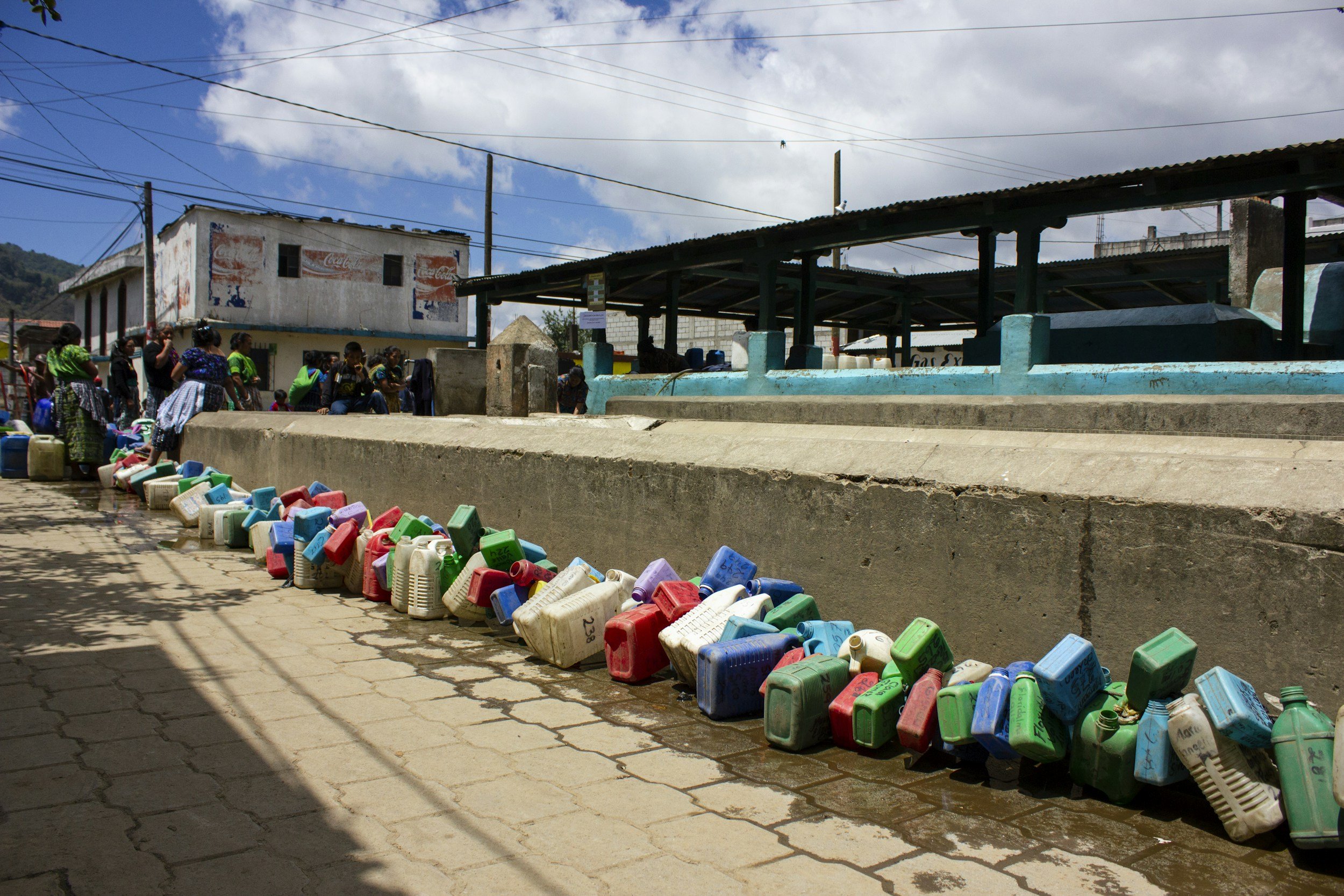
As of Friday, August 8, 2026, Puerto Rico began cutting water service to over 180,000 customers on a rotating 48-hour schedule. Forty-eight hours with water. Forty-eight hours without. Repeat until further notice.
The rationing will last at least through the end of August, according to details posted on the U.S. territory's Aqueduct and Sewer Authority website. The governor said she doesn't know how long it will actually last.
This is not a temporary glitch. This is the new schedule for daily life in Puerto Rico.
EXC gets water to families the grid has abandoned.
No government contract. No tax credits. Just infrastructure that works.
→ Donate to EXC International
Which Areas Are Affected
In addition to affecting parts of San Juan, the rationing will extend to certain neighborhoods in the cities of Carolina, Juncos, Gurabo, Trujillo Alto, Canovanas and Loiza.
Seven municipalities, including San Juan, will see rationing in the current phase of cuts — all areas served by the Carraizo reservoir, which authorities say is at critically low levels. Affected areas have been split into two zones that will alternate with and without service on 48-hour cycles.
If you're in an affected zone, you have 48 hours to fill every container you own. Then the tap goes dry for two days. Then it comes back. Then it goes dry again. That's the plan.
The Governor Said "This Is Out of Our Hands"
"This situation is out of our hands," Governor Jenniffer González said late Tuesday as she blamed weather conditions.
Let's be precise about what that means. The Carraizo reservoir — which supplies water to hundreds of thousands of people in the San Juan metro — is on the verge of empty. Puerto Rico has gotten so little rain this summer that key reservoirs are critically depleted, and forecasters don't expect significant rainfall in the weeks ahead.
El Niño is real. The drought is real. But "out of our hands" is what you say when you've spent decades avoiding the harder conversation.
Puerto Rico's water infrastructure loses more than 50% of all treated water to leaks, breaks, and aging pipes before it reaches a single home. The reservoirs are low — and half of what's in them disappears before anyone can drink it. That part has always been in someone's hands. Those hands just never fixed it.
Puerto Rico previously implemented rationing measures in 2020 and in 2015, when some 400,000 utility customers received water only every third day. This is the third rationing crisis in eleven years. The pattern is not drought. The pattern is a system that was never built to hold.
What People Are Actually Living Through
People brought empty water bottles and unwashed laundry to a protest in the capital. That's not a metaphor. That's what a water crisis looks like in real life — people showing up to a government building holding dirty clothes because they have no water to wash them.
The Puerto Rico Aqueduct and Sewer Authority said it would deploy water trucks to affected communities, with priority given to hospitals and long-term care facilities, and urged residents to boil water for at least three minutes once service resumes as a precaution against possible contamination.
Boil the water when it comes back on. Because after sitting in degraded pipes with fluctuating pressure, what comes out of your tap during a rationing cycle isn't guaranteed to be safe. So you wait 48 hours for water, then you boil it before you use it. That's life in a U.S. territory in 2026.
Meanwhile, in Cabo Rojo, the government just approved a $2 billion luxury resort that will need 1.25 million gallons of water per day. You can read about that here.
The Rural Reality Nobody Is Covering
The news coverage is focused on San Juan metro area. That's where the cameras go.
But rural Puerto Rico — the campo — has been living rationing without a schedule, without a press conference, and without National Guard trucks for years. In communities far from the metro grid, water infrastructure has always been informal, intermittent, and unreliable. When the reservoirs drop, there's no tanker truck coming up the mountain.
These are the communities EXC International works in. The southeast coast and beyond. Places where the governor's 48-hour rationing announcement landed with a particular kind of dark irony — because 48 hours without water would have been a good week by their standards.
What EXC Is Doing About It Right Now
While the government manages the crisis with press conferences and tanker truck deployments, EXC International is already on the ground doing something simpler and more direct: getting water to families who need it.
Through our Water Xchange program, EXC coordinates water deliveries to families, blocks, and barrios across rural Puerto Rico that have been cut off — no grid dependency, no bureaucratic waitlist, no priority queue. If you need water, you submit a request. We show up.
That's it. No Más Excusas.
If you're in Puerto Rico and need water access, submit a request through our Water Xchange program at excinternational.org.
If you're not in Puerto Rico and want to make sure we can keep showing up — this is where your donation goes.
What To Do If You're In An Affected Zone
Fill every container you have during your 48-hour water window.
Bathtubs, pots, jugs, whatever you have
Boil water for at least three minutes when service resumes before drinking or cooking
Check PRASA's website for your zone's specific schedule
If you're elderly, disabled, or medically dependent — contact your municipality now about priority truck access, don't wait
If you have neighbors who can't prepare themselves — check on them.
Donations to EXC International help fund water deliveries to families in Puerto Rico who aren't on anyone's priority list.
EXC International Corporation is a federally recognized 501(c)(3) nonprofit legally authorized to operate in Puerto Rico, with operations based in PR.
EIN: 92-3953750. All donations support EXC's missions and projects.