Another Explosion. Another Fire. Another 217,000 People Without Power.
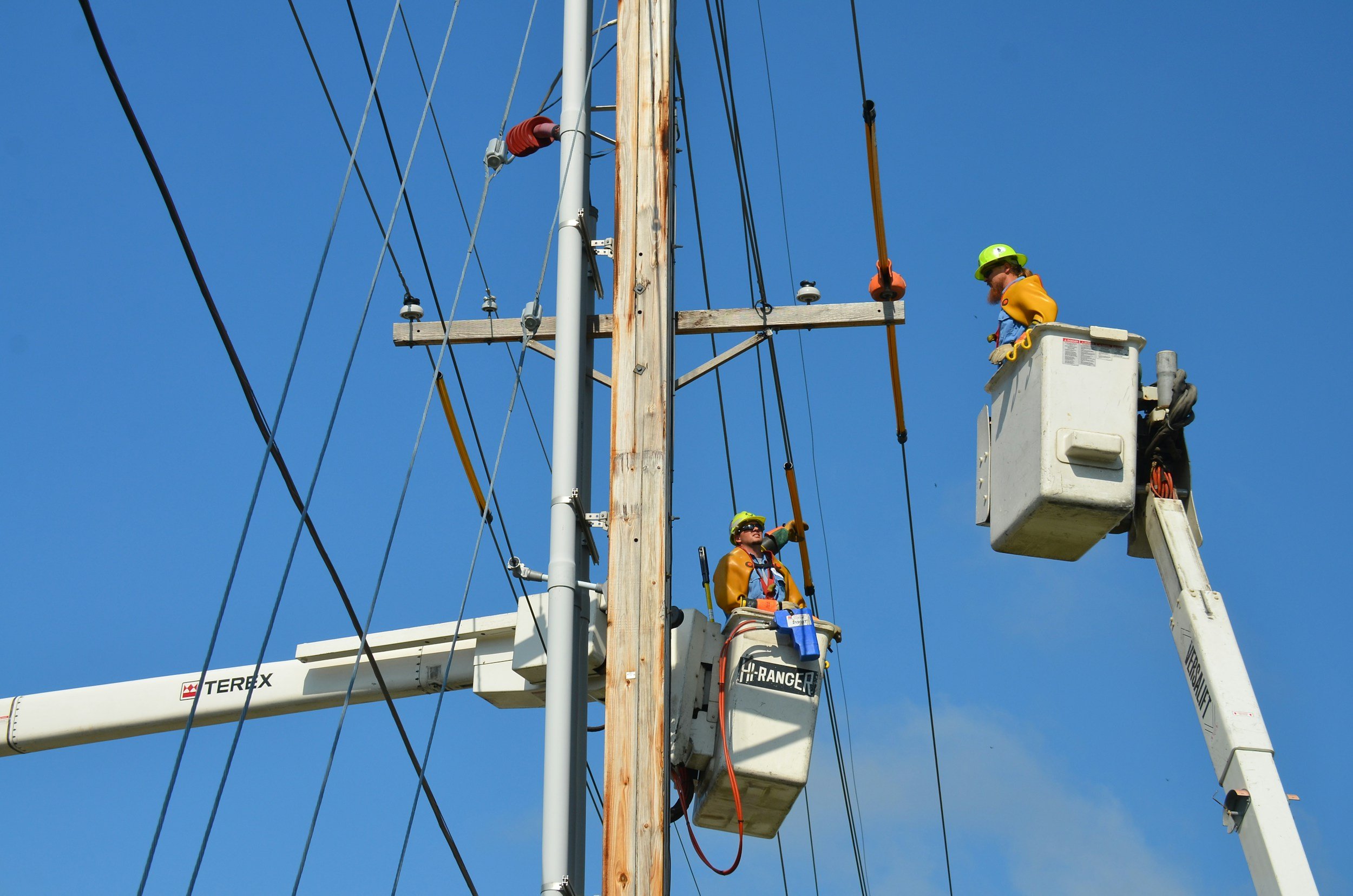
Puerto Rico cannot catch a break — because Puerto Rico's grid won't let it.
On September 24, 2026, an explosion and fire broke out at a LUMA Energy substation in Carolina, Puerto Rico. Video from the scene showed flames and electrical arcing around equipment at the facility. By the time LUMA acknowledged what was happening, more than 217,000 customers across multiple municipalities were already in the dark.
LUMA's statement was familiar: crews were addressing the situation "as quickly and safely as possible." Several generating units were knocked offline or had their output reduced after protection systems activated during the grid disturbance. Problems in the generation system, combined with incidents affecting transmission and distribution infrastructure in San Juan and Carolina, triggered the widespread outages.
Translation: one substation caught fire and took down the grid for a quarter million people.
This Is Not a Streak of Bad Luck
Let's put this in context.
July 29, 2026: two power plants — Aguirre Unit 2 in Salinas and all three units at EcoEléctrica in Peñuelas — failed within minutes of each other. 377,000 customers lost power.
April 16, 2025: an island-wide blackout knocked out power for all 1.46 million electricity customers in Puerto Rico. LUMA blamed an underground power line failure.
December 31, 2024: nearly 90% of Puerto Rico's 1.47 million customers lost power on New Year's Eve. It lasted two days.
And now September 24, 2026: a substation in Carolina explodes, and 217,000 people go dark.
This is not a streak of bad luck. This is a grid that has been structurally compromised for decades, managed by a private utility under a lucrative contract, with billions in federal recovery funds that the U.S. GAO reported in July 2026 are only 25% disbursed nearly a decade after Hurricane Maria.
The average Puerto Rico customer experiences 19 power interruptions per year. The average customer on the U.S. mainland experiences less than two hours of outages annually. That gap is not weather. That gap is neglect, mismanagement, and a system that has never been properly rebuilt.
Why Power Outages Are a Water Crisis Too
This matters beyond the inconvenience of dark rooms and dead phones.
Puerto Rico is already in the middle of its worst drought in over 120 years. Water rationing has been in effect since August 7. Tens of thousands of families are on a 48-hour on, 48-hour off water schedule that officials say will last through at least the end of the year.
When the power goes out, cistern pumps stop working. Water pressure drops. Whatever water was moving through the system stops moving. For families already rationing water, a power outage doesn't just mean no lights — it means no water either.
In rural communities, where the grid has always been less reliable and the infrastructure thinner, a substation fire in Carolina sends ripple effects far beyond the municipalities LUMA lists in its outage report. These are the families who don't make the press release. The ones who were already piecing together water access before the grid went down again.
EXC Is Still Here
Through our Water Xchange program, EXC International coordinates direct water deliveries to families across southeastern Puerto Rico who have been left off the official response list — no waitlist, no bureaucracy, no press conference required.
While LUMA investigates what caused the explosion and assures the public their crews are on it, we're focused on the families who can't wait for the investigation to conclude.
If you're in Puerto Rico and need water access, submit a request at excinternational.org/puerto-rico-water-xchange.
If you want to make sure we can keep showing up every time this grid fails — and it will keep failing — this is where your support goes.
EXC International Corporation is a federally recognized 501(c)(3) is legally authorized to operate in Puerto Rico. EIN: 92-3953750. All donations support EXC's missions and projects.